
The tested 2025–2026 TMAX instruments showed read/write limitations. This note compares the reported PFlash and DFlash results, then shows the instrument and MCU references needed to identify the affected hardware.
Reported limitation
The tested instruments in the published 2025–2026 note did not support normal read/write work with the referenced tools. Check the exact MCU, instrument revision and current programmer support before proceeding.
An all-FF read is a symptom
The note contrasts a successful PFlash read with an all-FF DFlash read. This may indicate protection or an unsupported access path, but it is not conclusive proof of encryption. If both reads return FF, check connections, power and tool configuration as well.
Instrument variants
The TMAX material names S6J336A and S6J336C and includes references to different physical packages. Compare the actual board and complete chip marking, not only the vehicle year.
Instrument and module identification
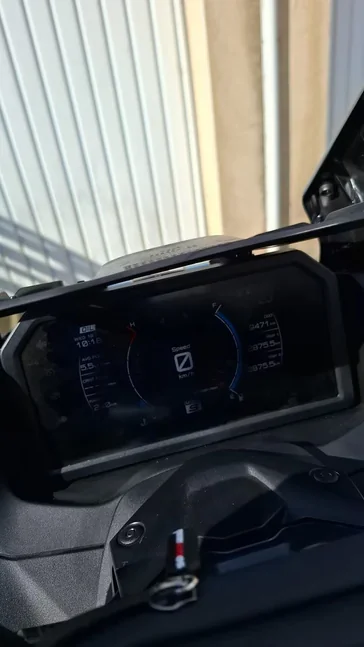


Programming connections

Software reference screens
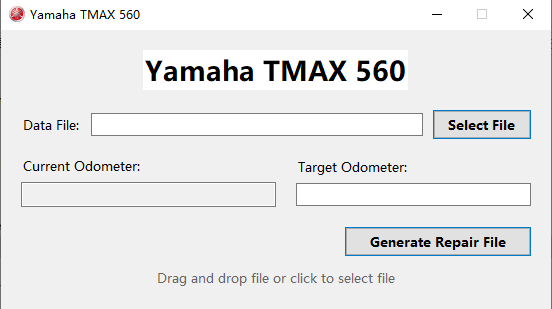
What to record with an all-FF DFlash result
Keep the original read files and record the full MCU marking, instrument label, programmer software version, selected device, connection method and requested memory region. Compare repeat reads made under the same documented setup.
A readable PFlash region does not establish DFlash access. An all-FF DFlash file alone is not a diagnosis of encryption; use the reported limitation as a case observation rather than a guarantee about every S6J336 instrument.